
13 Strategic Thinkific Examples for 2026 (And What Makes Them Work)
Jeanette Martin
Originally published in 2023. Updated in February 2026 to reflect current examples and strategic insights.
If you’re exploring Thinkific, you’re probably looking for online course inspiration – examples of what’s possible.
But inspiration alone isn’t what builds a sustainable online business.
What matters far more is how the offer is structured. This includes the positioning, the pricing model, the clarity of transformation, and the journey from free content to paid access.
In this guide, we’re not just showcasing Thinkific websites. We’re examining how these creators have packaged their expertise into scalable offers and why their models work.
As you review these examples, pay attention to:
- How clearly the audience is defined
- Whether revenue comes from one-time purchases or recurring memberships
- How the transformation is communicated
- How authority is established before the sale
Keep in mind that while Thinkific may be the platform these creators use, the real growth comes from the strategy behind the offer.
Let’s dive in!
13 Strategic Thinkific Examples (And What Makes Them Work)
Authority-Driven and Problem-Specific Offers
1. Dunbar Academy
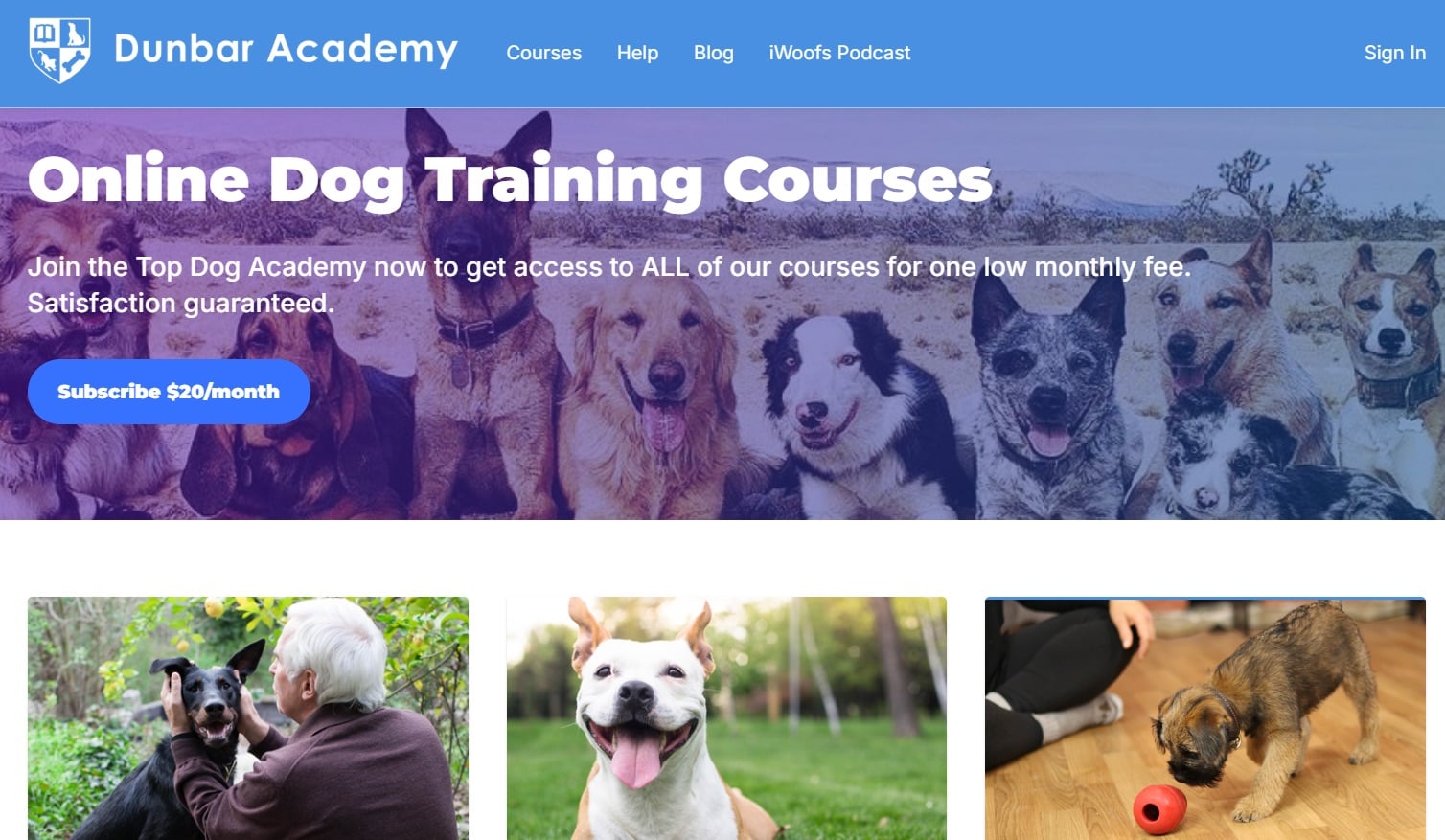
Dunbar Academy serves new dog owners through structured online courses and a recurring membership model.
Their free courses introduce general behavior and training concepts, building trust and lowering entry friction. Paid courses focus on specific, high-intent problems such as barking, growling, and separation anxiety.
For $20 per month, the Top Dog Academy membership provides ongoing access to a growing video library, worksheets, workshops, and community interaction.
Offer Structure:
- Free authority-building courses
- Problem-specific paid courses
- Recurring membership for retention
- Community support layered into the offer
What Makes This Work:
- Clear pain-point positioning
- Strong free-to-paid progression
- Recurring revenue model
- Expertise-backed credibility
This model shows how clearly defined customer problems can be transformed into structured, recurring revenue – rather than relying on one-off course sales. The clarity of the pain point makes the monetization feel natural.
2. Key to Pictures
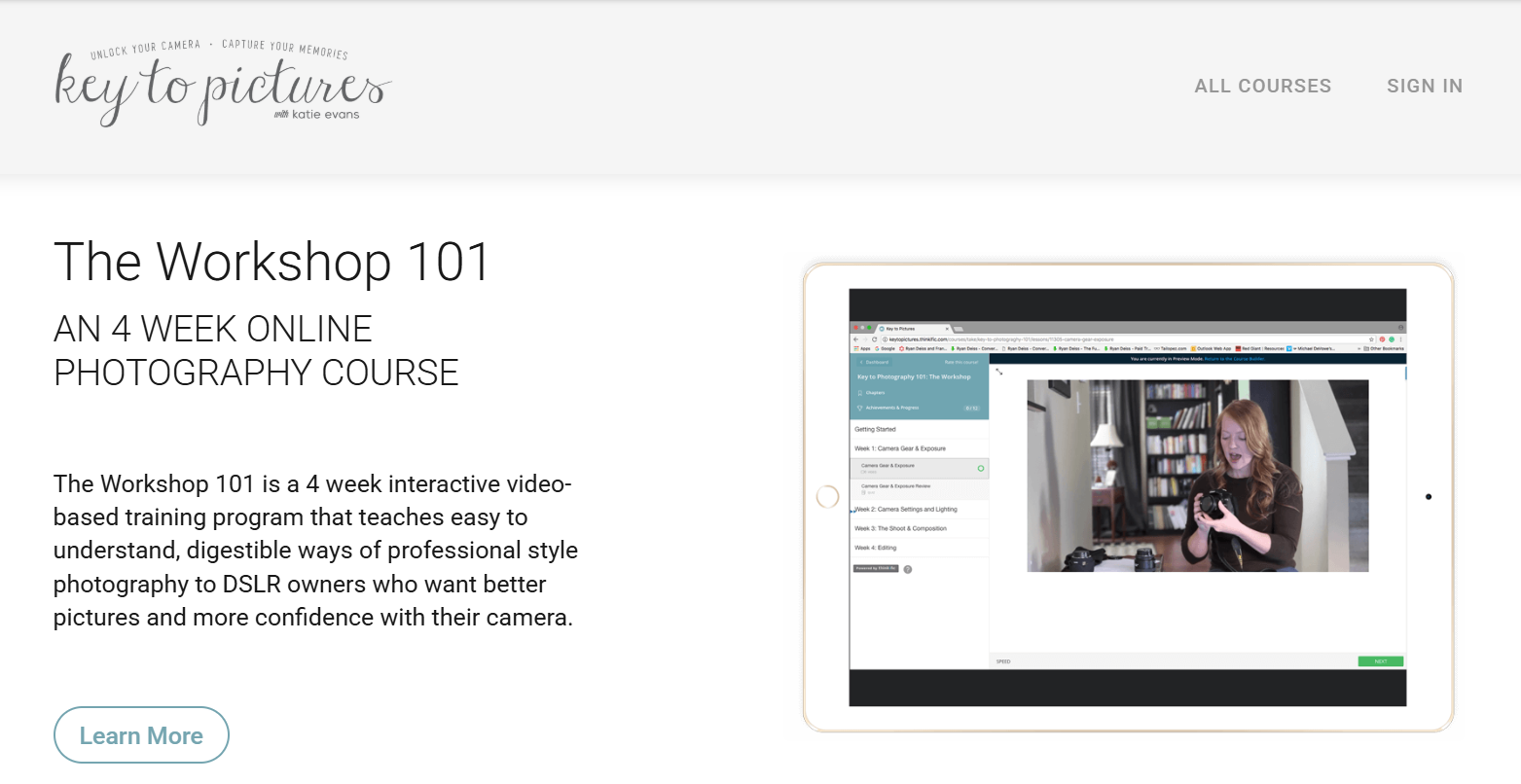
Key to Pictures provides structured photography training hosted directly on Thinkific.
Rather than selling isolated lessons, the brand offers skill-based learning tracks that guide students through progressive mastery.
Offer Structure:
- Structured learning paths
- Clear skill progression
- Niche audience focus
- Modular course organization
What Makes This Work:
- Cohesive learning journey
- Strong transformation clarity
- Defined audience positioning
- Scalable digital delivery
3. Coastal Drone
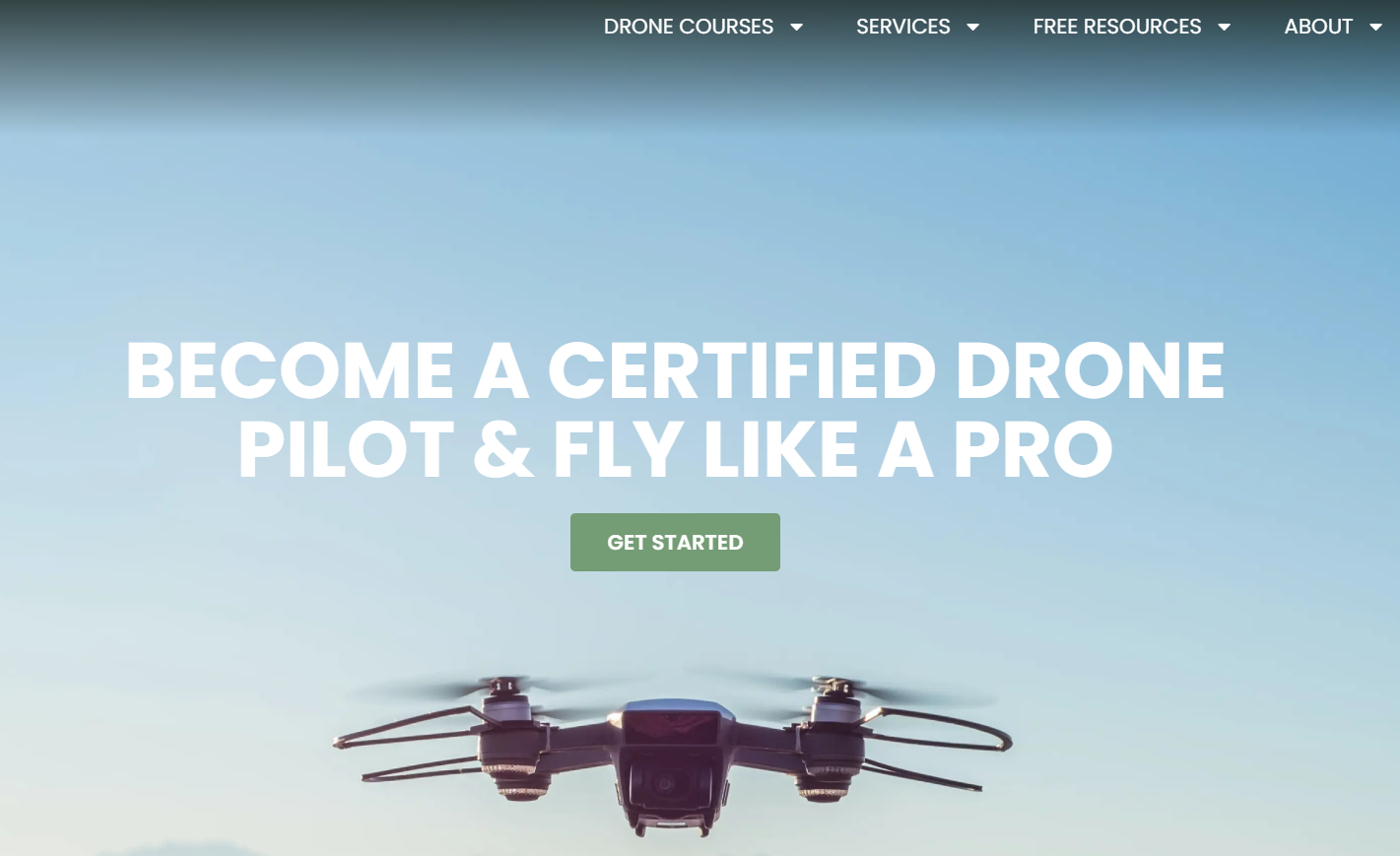
Coastal Drone offers certification-focused drone pilot training.
The business is positioned around a measurable outcome: passing the required exam. That clarity creates urgency and high buyer intent.
Offer Structure:
- Certification-based curriculum
- Bundled learning modules
- Outcome-driven positioning
- Professional credibility focus
What Makes This Work:
- Clear, measurable transformation
- Regulatory alignment
- Niche precision
- Authority-driven marketing
When the outcome is concrete and measurable, enrollment becomes less dependent on persuasion and far more dependent on clarity. Specificity drives demand.
4. Olive Knits
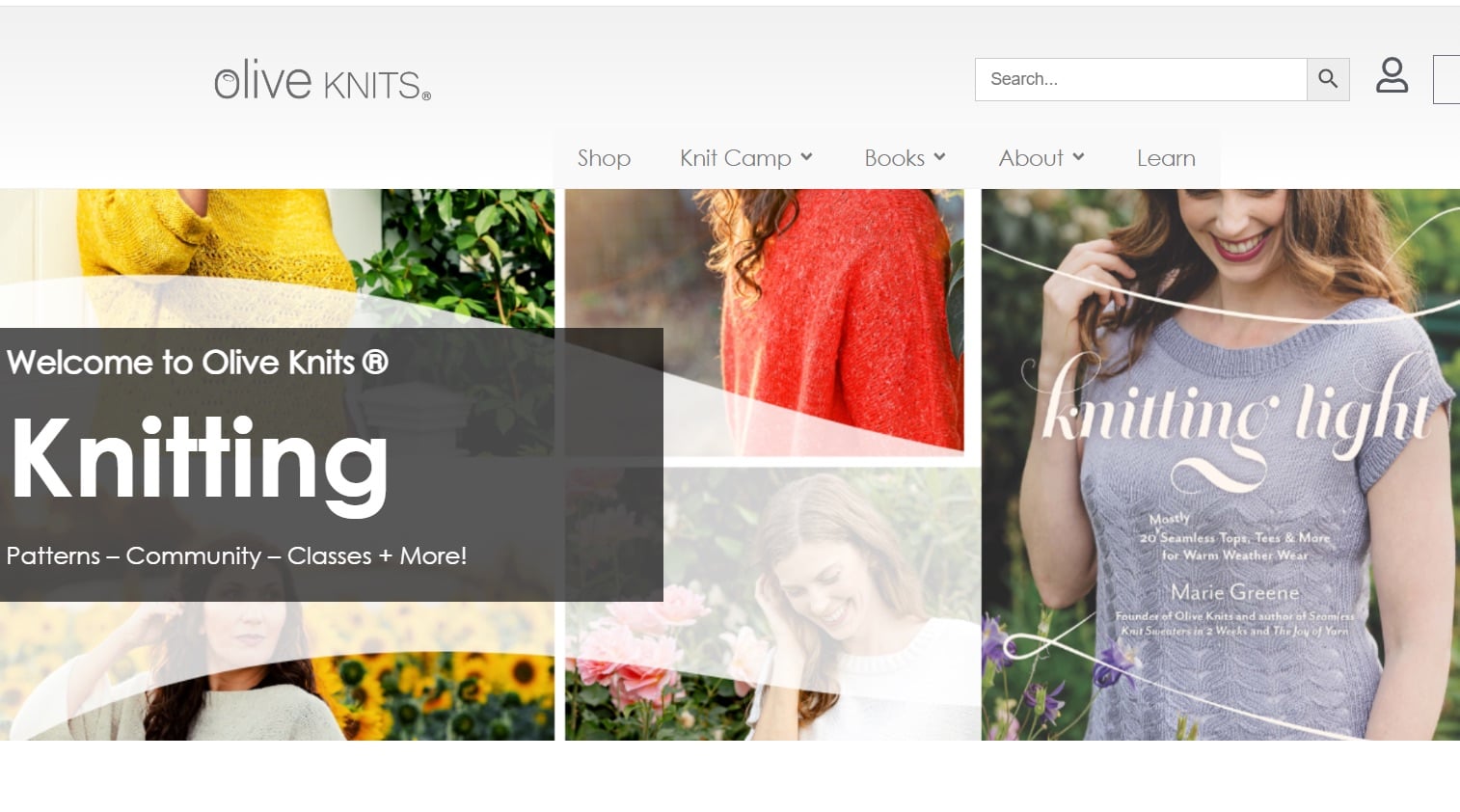
Olive Knits combines physical products, digital patterns, and paid workshops into a layered ecosystem.
Online workshops deepen engagement while expanding revenue beyond one-time pattern sales.
Offer Structure:
- Pattern sales as entry point
- Paid workshops
- Community engagement
- Multi-stream monetization
What Makes This Work:
- Strong brand consistency
- Clear niche identity
- Education supporting product sales
- Multiple revenue layers
5. GuitarZero2Hero
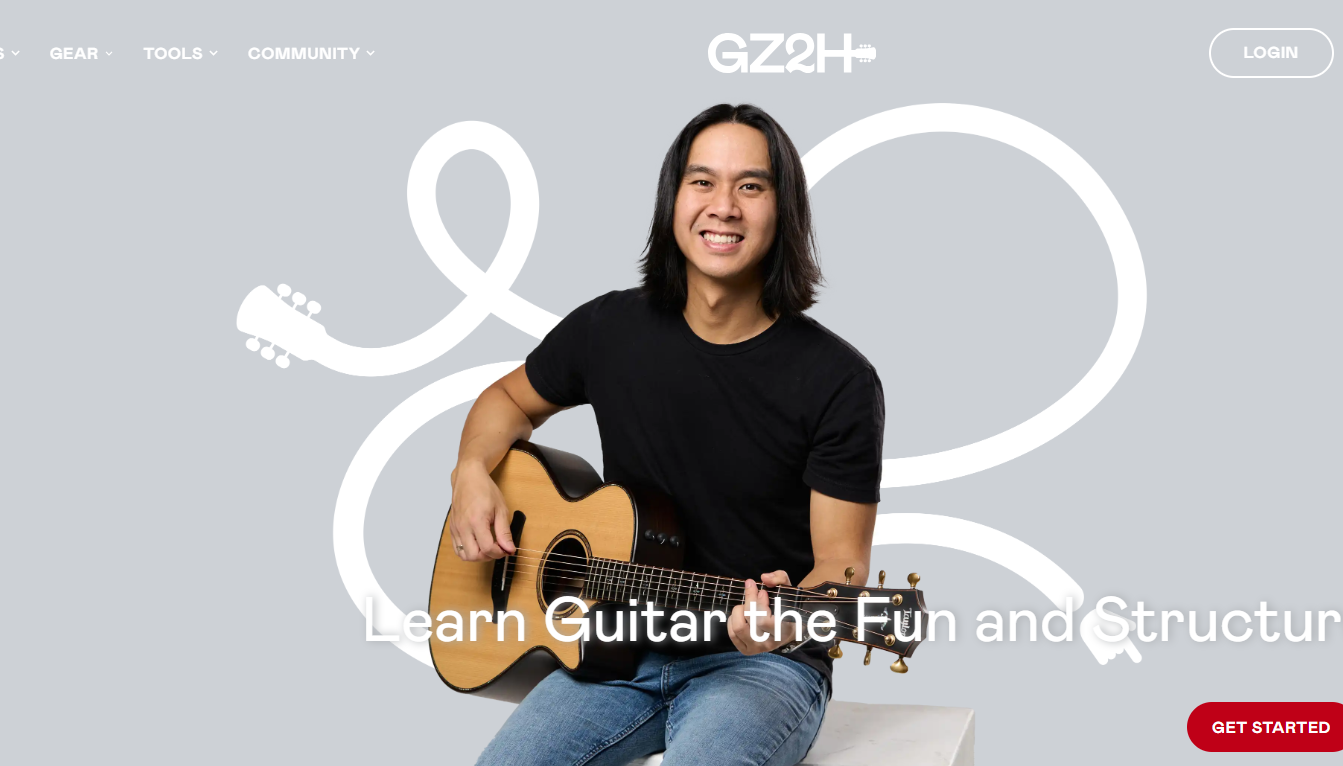
GuitarZero2Hero teaches beginners through structured, progressive lessons.
The brand blends free YouTube content with premium paid training, creating a natural ascension path.
Offer Structure:
- Free educational content
- Paid structured courses
- Skill progression model
- Funnel from content to program
What Makes This Work:
- Content-led growth
- Beginner-friendly positioning
- Clear transformation promise
- Authority built through consistency
At this point, a pattern starts to emerge. The strongest examples aren’t just well-designed course sites – they’re clearly positioned offers with defined audiences and outcomes.
Whether the model is free-to-paid, certification-based, or membership-driven, structure drives sustainability.
Method-Based and Skill-Focused Programs
6. The Balanced Runner
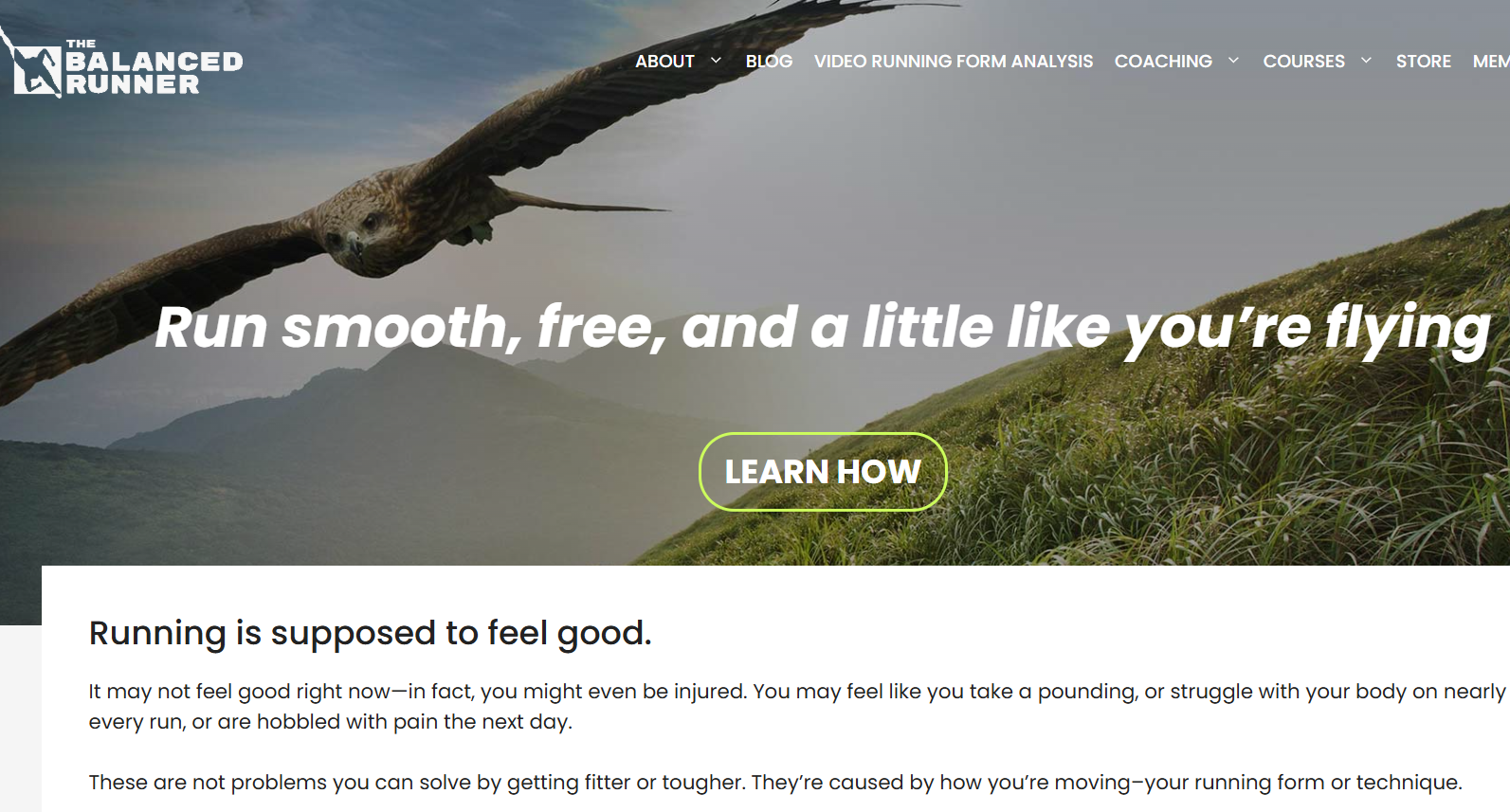
The Balanced Runner provides online programs focused on injury prevention and long-term performance.
The offer centers around a specific problem: helping runners stay healthy and durable.
Offer Structure:
- Signature training programs
- Online camps and workshops
- Systems-based methodology
- Community support
What Makes This Work:
- Problem-specific positioning
- Clear method branding
- Defined outcome
- Strong niche focus
7. Rachel’s English Academy
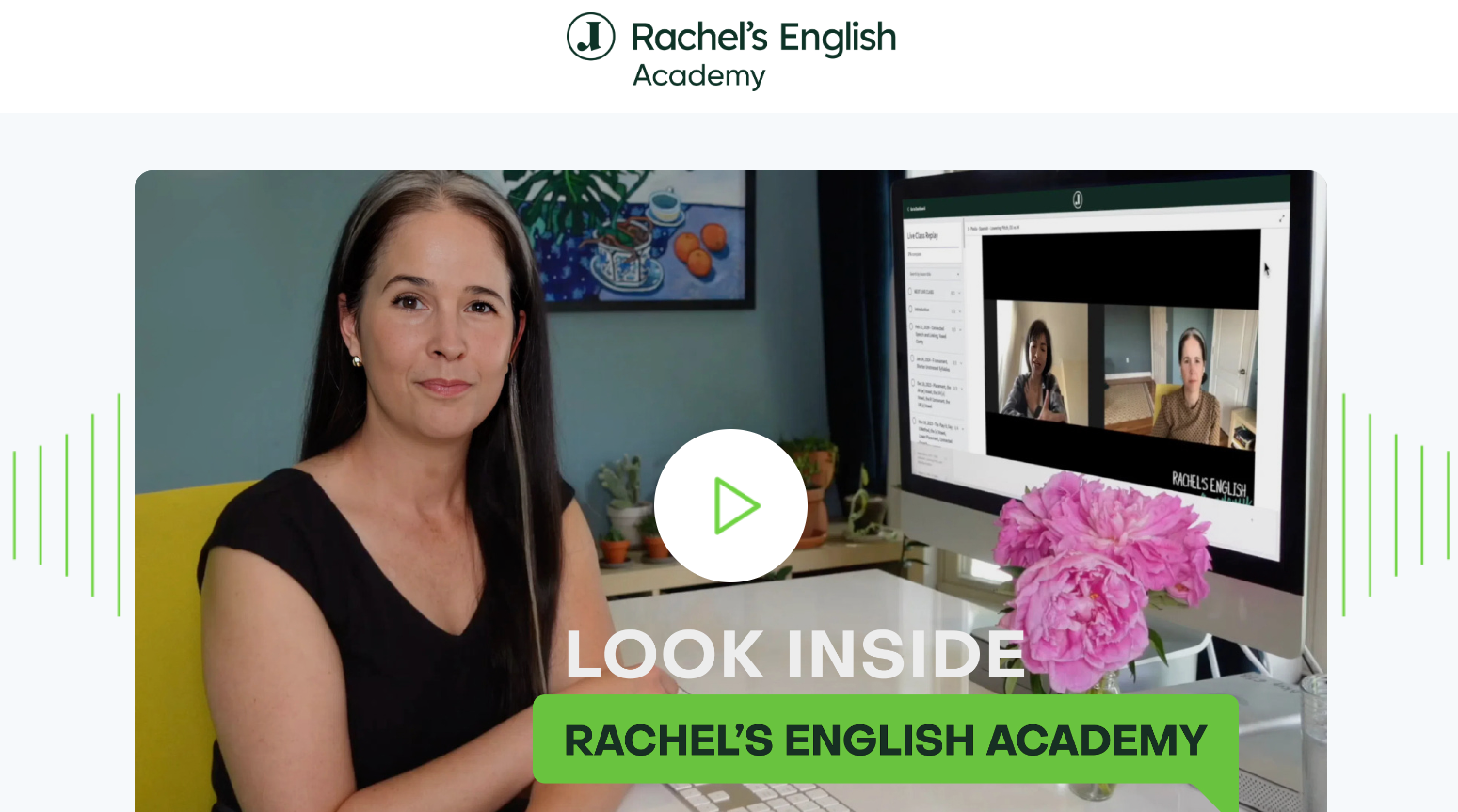
Rachel’s English Academy monetizes a large free content library through a structured paid membership.
The focus is highly specific: American English pronunciation and fluency.
Offer Structure:
- Free educational content
- Paid academy membership
- Structured curriculum
- Ongoing learning model
What Makes This Work:
- Massive authority at the top of funnel
- Clear niche positioning
- Tiered access
- Recurring revenue component
Authority built through consistent free content compounds over time, making premium enrollment feel like a logical next step rather than a hard sell.
8. Sew It! Academy
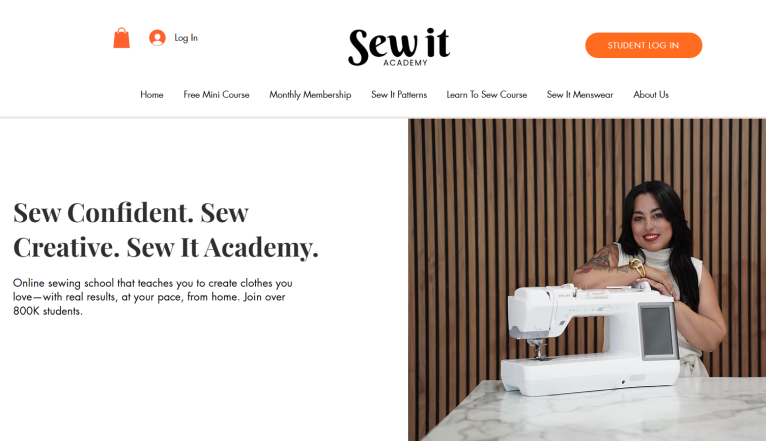
Sew It! Academy provides beginner-friendly sewing courses with clear skill progression.
The offer simplifies complex techniques into approachable modules.
Offer Structure:
- Self-paced courses
- Membership tiers
- Progressive skill development
- Creative niche focus
What Makes This Work:
- Strong positioning clarity
- Clear transformation
- Accessible curriculum design
- Niche community appeal
9. Kesler Science
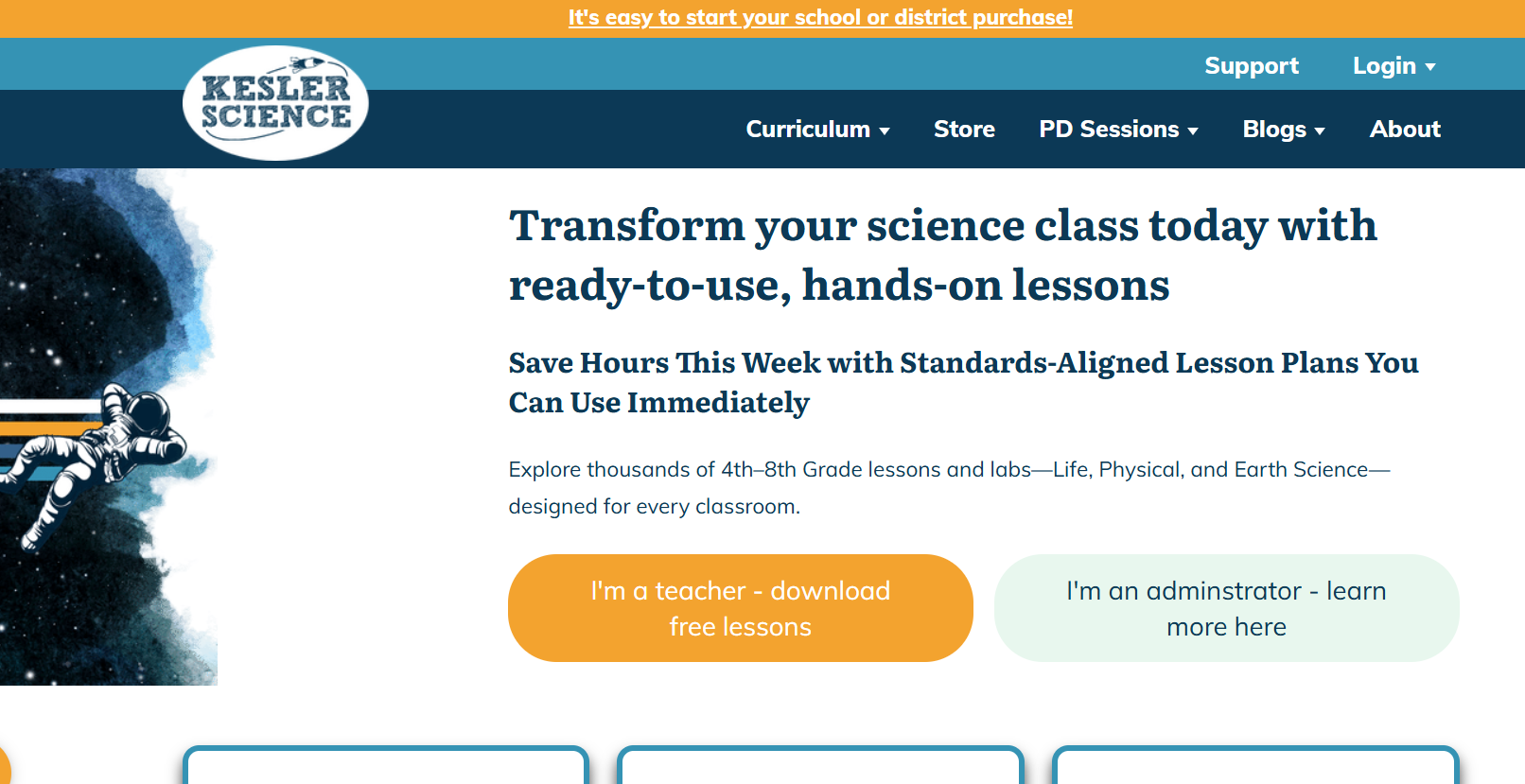
Kesler Science delivers structured science curriculum and resources to teachers.
Rather than single courses, the platform operates on a membership model.
Offer Structure:
- Curriculum membership access
- Structured lesson plans
- Classroom-ready materials
- B2B positioning
What Makes This Work:
- Clear audience definition
- Recurring revenue model
- Practical utility
- Institutional trust positioning
Membership and Community-Centered Models
As you move into this next group of examples, notice how many of them lean on recurring revenue and community elements.
Once positioning is clear, layering in membership, coaching, or structured progression creates stability and scale.
10. BizChix.com
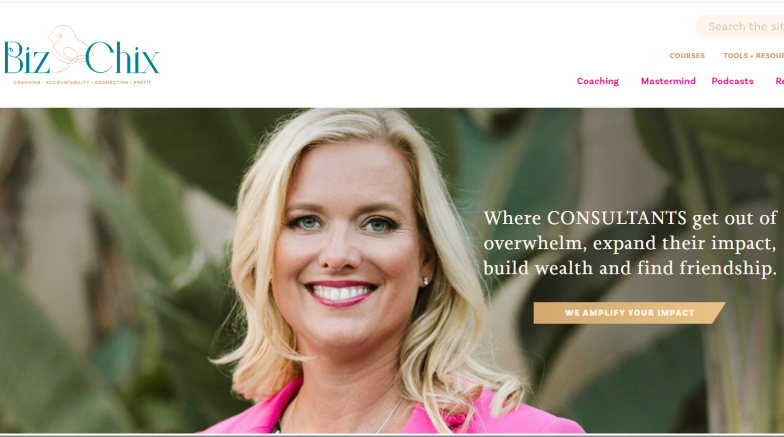
BizChix serves women entrepreneurs through structured business programs and community-driven support.
The offer blends coaching with scalable digital programs.
Offer Structure:
- Structured business programs
- Coaching elements
- Membership tiers
- Community engagement
What Makes This Work:
- Defined audience niche
- Systems-focused methodology
- High-value positioning
- Strong community component
Blending scalable education with coaching and community allows the business to grow without sacrificing perceived value. Structure supports scale.
11. Paul Lam Tai Chi (OnlineTaiChi Lessons)
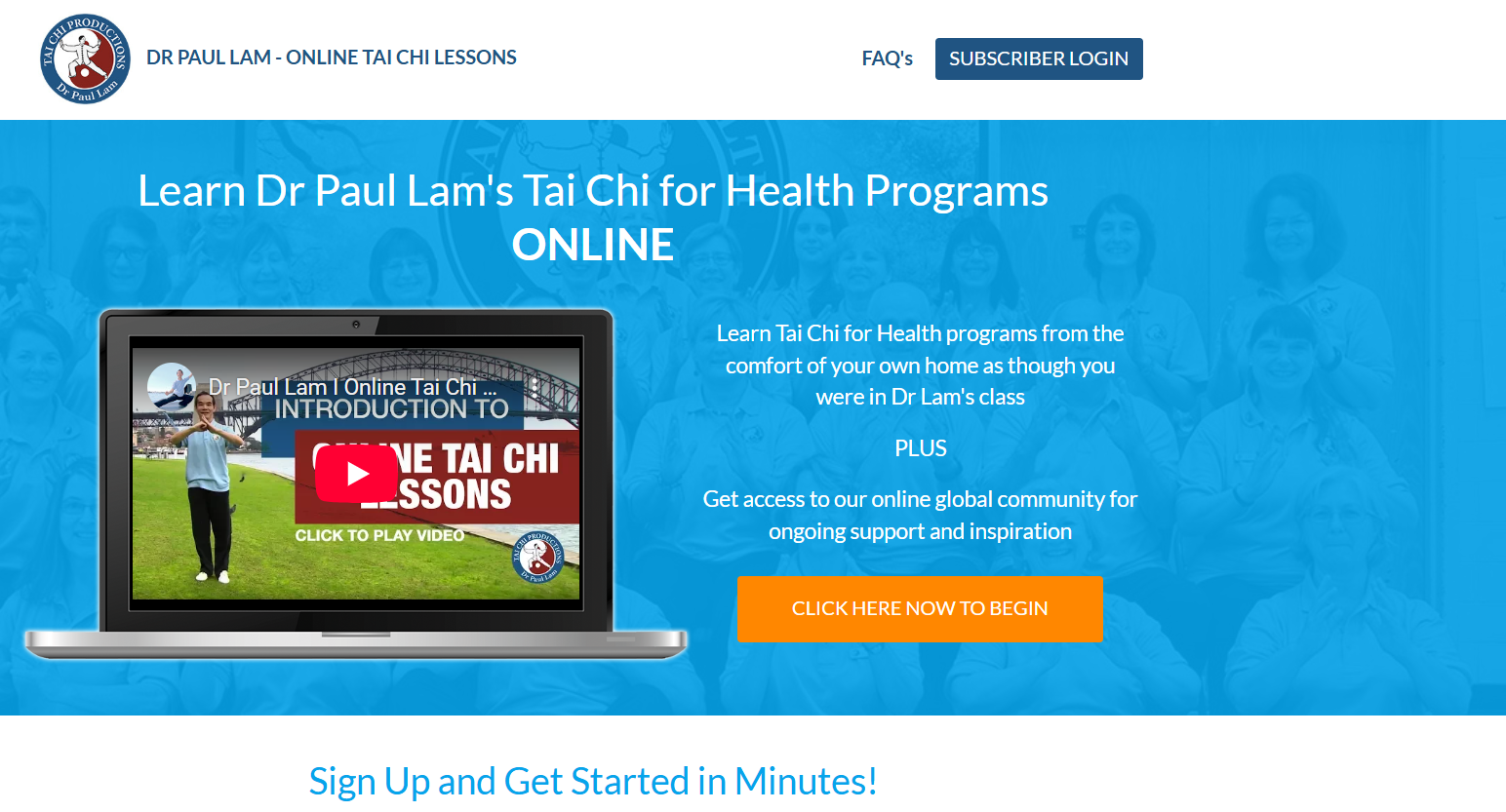
Online Tai Chi Lessons provides subscription-based access to progressive Tai Chi instruction.
The model translates traditional in-person instruction into digital delivery.
Offer Structure:
- Subscription access
- Progressive lessons
- Ongoing practice model
- Authority-based brand
What Makes This Work:
- Evergreen skill development
- Recurring billing
- Clear transformation
- Global scalability
12. Personal Development School
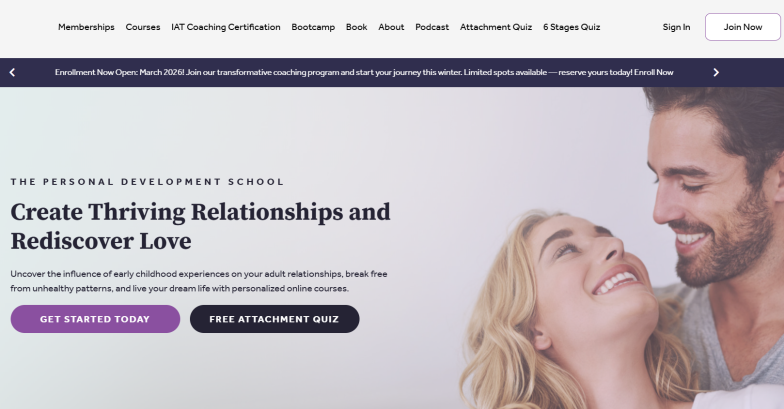
Personal Development School offers a large catalog of personal growth courses, primarily focused on attachment theory.
The offer operates through a membership model with structured learning tracks.
Offer Structure:
- Course library
- Membership access
- Defined thematic focus
- Structured progression
What Makes This Work:
- Strong niche specialization
- Depth of curriculum
- Recurring revenue
- Clear psychological transformation
13. School of Visual Storytelling
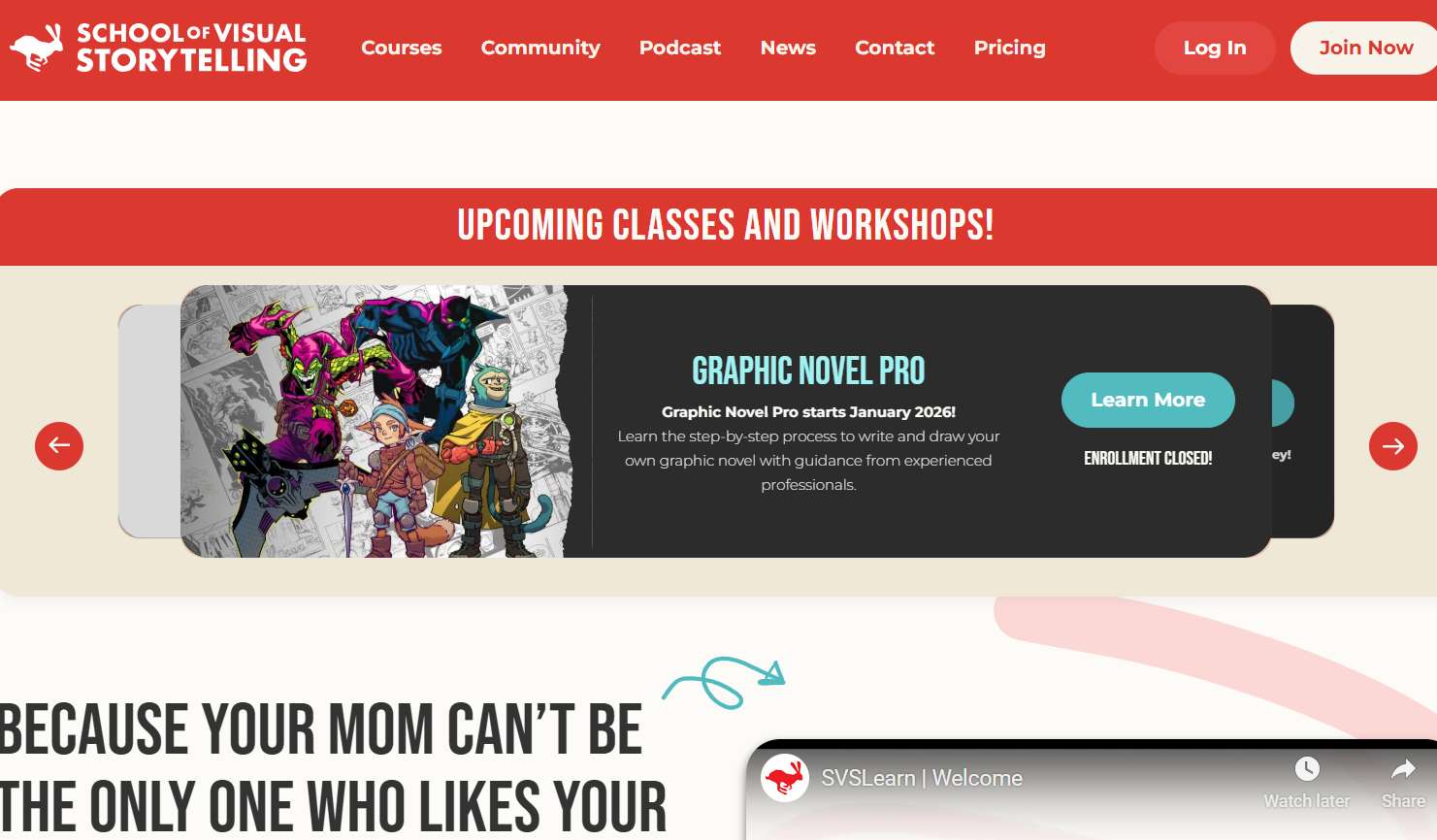
SVSLearn provides structured art and storytelling education for illustrators and creatives.
The platform blends instructor-led courses with community interaction.
Offer Structure:
- Course-based learning
- Instructor-led programs
- Membership elements
- Creative professional focus
What Makes This Work:
- Strong niche authority
- Professional positioning
- Clear skill progression
- Community reinforcement
If you’re exploring alternatives to Thinkific, Ruzuku focuses on cohort-based courses and student engagement rather than self-paced content delivery. You can compare both platforms side by side to see which approach fits your teaching style.
How AI Fits Into Building a Scalable Expertise Offer
Looking at Thinkific examples is helpful.
But uploading lessons to a platform isn’t what creates momentum.
The examples above work because the positioning is clear. The audience is defined, the transformation is specific, and the revenue model is intentional.
Before content scales, clarity must exist.
This is where AI becomes powerful.
AI tools can help you outline curriculum, generate marketing assets, refine messaging, and accelerate content production. But AI amplifies whatever foundation you give it.
If your positioning is vague, AI produces more noise.
If your positioning is clear, AI creates leverage.
If you’re building a course, membership, or structured program and experimenting with tools like ChatGPT, the first step isn’t writing faster – it’s clarifying your offer. It also helps to audit whether your tech stack is helping or adding to the overwhelm.
Our free AI Quickstart training walks you through how to define your positioning and use AI strategically to strengthen your expertise.
👉 Get the free AI Quickstart here.
Inspiration shows you what’s possible.
Strategy is what scales.

about author
Jeanette Martin
Jeanette Martin brings teaching, editing, SEO strategy, course creation, and content marketing experience to her writing in the personal development and education fields. She’s inspired by entrepreneurs and growth-oriented, wholehearted people and sees words as powerful tools to connect and clarify. See her online profile and Better Each Year for some of her work.
Read more posts by Jeanette Martin